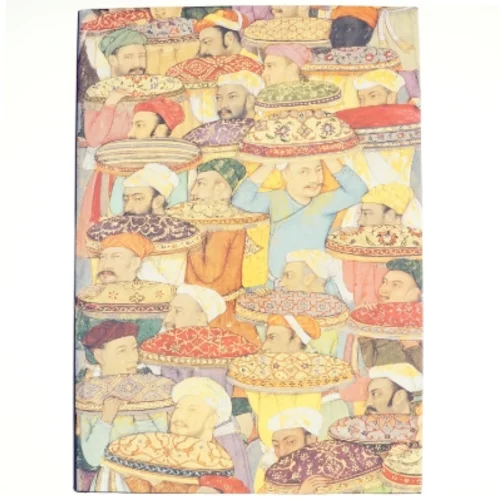
Billederne viser det faktiske produkt
Made for Maharajas af Amin Jaffer (Bog)
27,60 kr.
Designs for Princely India
Made for Maharajas: Designs for Princely India explores the fascination among Indian royals for western luxury goods. This taste reached its peak at the height of the British Raj (18571947), when Indian rulers disarmed and politically marginalized occupied themselves increasingly with vast building projects and conspicuous consumption. This book explores the role of maharajas in this age of high spending and fashion. Based equally in the archives of firms such as Louis Vuitton, Boucheron, Chaumet and Hermes, and in palace and private collections, "Made for Maharajas" brings together original designs with surviving objects, exploring for the first time the creative dialogue between Indian princes and the skilled tradesmen who produced wonders for their delectation. Mutual influence in taste forms a central theme of the volume. While maharajas nurtured a fascination for all things western, they themselves inspired in Europe a renewed taste for the exotic, reflected in the strong Indian influence evident in contemporary high design. Married to the objects themselves are the absorbing and often humourous accounts of how maharajas indulged their tastes with unparalleled extravagance and aplomb. Rich in anecdotes and visually splendid, Made for Maharajas brings alive the extraordinary rich, varied and sometimes implausible works commissioned by princes whose wealth knew no bounds and whose eccentricities were legend.
Udgivelsesår: 2009
Sider: 276
Sprog: Engelsk
Made for Maharajas: Designs for Princely India explores the fascination among Indian royals for western luxury goods. This taste reached its peak at the height of the British Raj (18571947), when Indian rulers disarmed and politically marginalized occupied themselves increasingly with vast building projects and conspicuous consumption. This book explores the role of maharajas in this age of high spending and fashion. Based equally in the archives of firms such as Louis Vuitton, Boucheron, Chaumet and Hermes, and in palace and private collections, "Made for Maharajas" brings together original designs with surviving objects, exploring for the first time the creative dialogue between Indian princes and the skilled tradesmen who produced wonders for their delectation. Mutual influence in taste forms a central theme of the volume. While maharajas nurtured a fascination for all things western, they themselves inspired in Europe a renewed taste for the exotic, reflected in the strong Indian influence evident in contemporary high design. Married to the objects themselves are the absorbing and often humourous accounts of how maharajas indulged their tastes with unparalleled extravagance and aplomb. Rich in anecdotes and visually splendid, Made for Maharajas brings alive the extraordinary rich, varied and sometimes implausible works commissioned by princes whose wealth knew no bounds and whose eccentricities were legend.
Udgivelsesår: 2009
Sider: 276
Sprog: Engelsk
Hurtig levering
Levering på 1-3 hverdage
14 dages fortrydelsesret
Danmarks sikreste måde at købe brugt på
Alle varer ligger centralt på vores lager
Køb fra forskellige sælgere kan sendes i én forsendelse