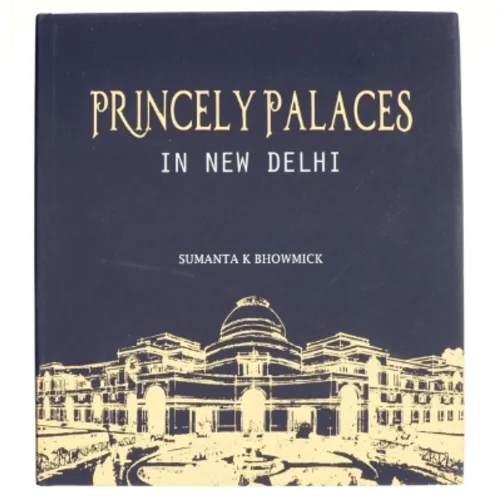
Rajas and maharajas from all over the British Indian Empire congregated in Delhi to attend the great Delhi Durbar of 1911. A new capital city was born New Delhi. Soon after, the princely states came up with elaborate palaces in the new Imperial capital Hyderabad House, Baroda House, Jaipur House, Bikaner House, Patiala House, to name a few. Why did the British government allot prime land to the princely states and how? How did the construction come up and under whose architectural design? Who occupied these palaces and what were the events held? What happened to these palatial buildings after the integration of the states with the Indian Republic? This book delineates the story behind the story, documenting history through archival research, interviews with royalty and unpublished photographs from royal private collections. Contents: Foreword; The Journey; Living with History; Hyderabad
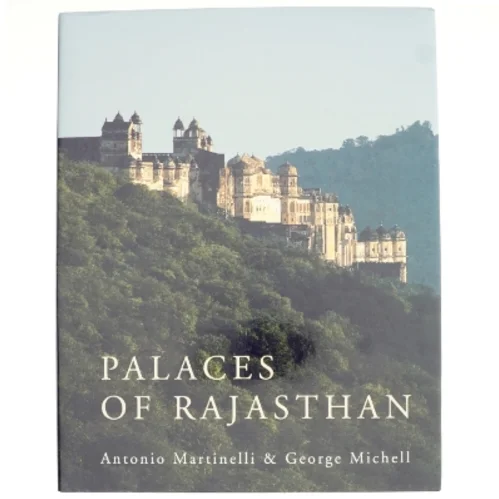
"As early as the fourteenth century, stories glorifying the exotic palaces of Indian rulers began to circulate in the West, stories which closer acquaintance only confirmed. Even today, they are magical places - small towns rather than single buildings, in which the Hindu and Muslim rulers of the subcontinent dispensed their laws and enjoyed their wealth." "The beauty and atmosphere of these palaces is displayed here in Antonio Martinelli's exceptional color photographs, composed with the eye of a painter and a trained architect who enjoyed unrivaled access to the buildings. George Michell, a recognized authority on Indian architecture and art, tells the story of the palaces. He evokes life within these complexes and describes their many elements: defenses, spacious audience halls and courtyards, temples and mosques, private apartments and service quarters." "At the heart of the book are
The splendour of Rajasthan's richly appointed palaces, majestic forts andraditional mansions is revealed in this lavishly illustrated book. Georgeichell explores the fascinating royal architecture of this desert state ofndia from the 15th to the 20th century, focusing on the major capitals ofajput power - Jaipur, Udaipur, Jodhpur and Bikaner - as well as otherentres such as Bundi, Kota, Jaisalmer, Alwar and Shekhawati. Also featuredre the Jat states of Bharatpur and Dholpur. Antonio Martinelli's stunninghotographs survey architectural developments in Rajasthan over a period ofore than five hundred years, providing a detailed visual record ofagnificent facades and opulent interiors. His photographs evoke the grandeurf Rajput courtly life at its height, be it imposing darbar halls whereaharajas held formal audience, or mirrored apartments where they enjoyedore private entertainments. Thoug
Forts & Palaces of India The Indian subcontinent offers a fascinating collection of historic forts and royal palaces waiting to be explored. Over the centuries, as kingdoms rose and fell or expanded into mighty empires, the need for protection against invaders resulted in the building of magnificent forts and fortified citadels across the country. Many of these fortresses sheltered entire cities, as well as royal palaces and pleasure gardens that were known for their splendor and luxury. "Mighty Maharajas: Forts and Palaces of India" brings together a unique architectural legacy from ancient forts mentioned in Hindu epics to strongholds built by succession of rulers, arranged geographically within a historic or aesthetic context. The narrative provides glimpses of history enlivened by stirring tales of valor and sacrifice while lavish color photographs reflect the cultural heritage of ea
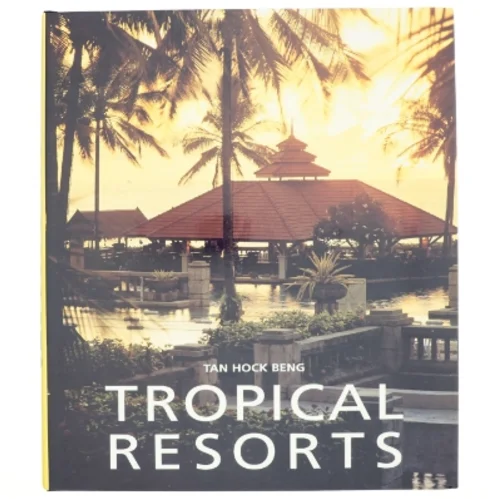
Mass tourism has become one of the most highly developed and fastest growing industries. This lavishly photographed book examines, albeit selectively, the rise and rise of resort architecture in Southeast Asia. Many of these sumptuous enclaves, designed for an unabashedly hedonistic lifestyle, have an enigmatic presence in the prestine environments in which they are located. This book is the first to showcase the burgeoning variety of these beguiling resorts. Forlag: Page One Publishing Private Udgivelsesår: 1995 Sprog: Ukendt
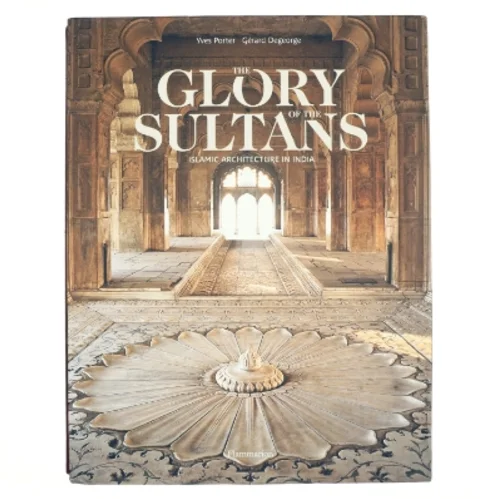
Islamic Architecture in India Between the twelfth and the mid-nineteenth centuries, most of the Indian subcontinent was under Muslim domination, giving rise to a unique architectural blend of Islamic, Turkish, and Persian influences. This scholarly work provides a comprehensive view of this architectural fusion, explaining in depth the key monuments of each period and region, including the unforgettable Taj-Mahal at Agra, Homâyun’s tomb at Delhi, and the Shalimar gardens in Lahore, Pakistan. This sweeping panorama of the history of architecture on the Indian subcontinent redresses an important lack of coverage of the subject of Muslim architecture. Forlag: Flammarion-Pere Castor Udgivelsesår: 2009 Sider: 310 Sprog: Engelsk
Buildings and Towns The sequel to the highly successful Robert A. M. Stern: Buildings (1996), this volume also incorporates master plans for towns and campuses. Udgivelsesår: 2007 Sprog: Engelsk