Murshidabad af Neeta Das, Rosie Llewellyn-Jones (Bog)

36,40 kr.

Forgotten Capital of Bengal

A cultural portrait of the little-known about captital of Bengal, Murshidabad.

Forlag: Marg Publications
Udgivelsesår: 2013
Sprog: Engelsk
Forfatter:
Neeta Das, Rosie Llewellyn-Jones
Stand:
60%
Hurtig levering Levering på 1-3 hverdage
14 dages fortrydelsesret Danmarks sikreste måde at købe brugt på
Alle varer ligger centralt på vores lager Køb fra forskellige sælgere kan sendes i én forsendelse
Spørgsmål og svar

Er varen ny?

Orderly sælger gode varer fra folk, som ikke selv har tid, lyst eller mulighed for at gøre det. Vores varer er derfor typisk brugte og dermed billigere end nyt. Og så er de bedre for miljøet.

Hvordan vurderer I standen?

Vi vurderer varen ud fra synligt slid og det samlede indtryk. Vi tester ikke elektronik eller tæller brikkerne i et puslespil inden salg. Vi formidler salget mellem køber og sælger. Men er der problemer med en vare, finder vi altid en løsning - med eller uden sælger.

Jeg glemte en ting. Kan jeg tilføje til min ordre?

Ja, det kan du sagtens - helt indtil vi starter pakningen af din ordre. Du laver bare en ny ordre og vælger den eksisterende ordre som levering (hvor du normalt vælger GLS eller afhentning). I sjældne tilfælde kan det dog forlænge leveringstiden med en dag.

Lignende bøger

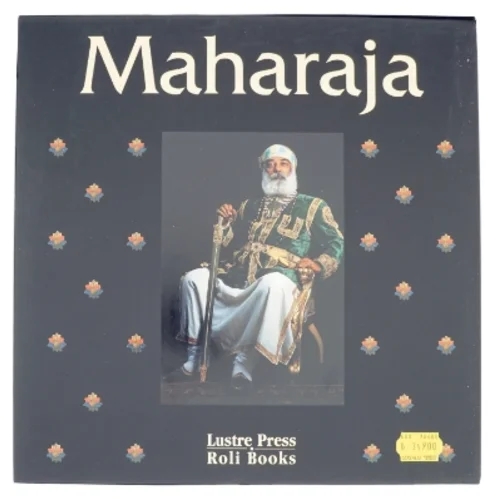
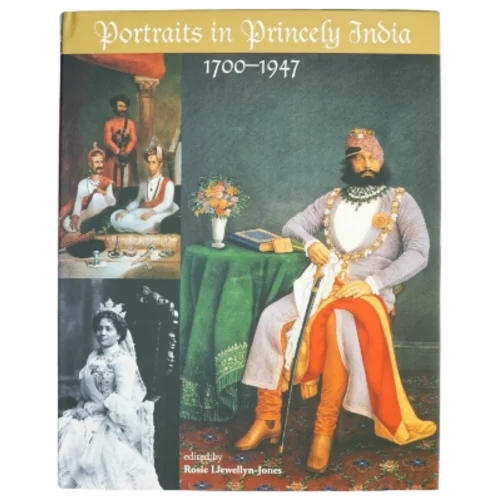
Since Independence, the princes and regional rulers of India have mostly been seen as anachronistic figures, too closely associated with the former colonial government, and often a byword for extravagance, sybaritic lifestyles, and mild despotism. When in 1967 they were stripped of their privy purses by Prime Minister Indira Gandhi, there were more protests in Britain than in India. No serious efforts have been made to put these men, and a few women, in a pictorial context, to examine the differing styles of portraiture favoured by them, and the motives behind the pictures, until now. The more one gazes at these important but hitherto neglected works of art, the more questions are raised. This book attempts to answer and interpret some of them. The arrival of European painters in late 18th century India presented a new opportunity for Indian rulers to commission self-portraits of a diffe

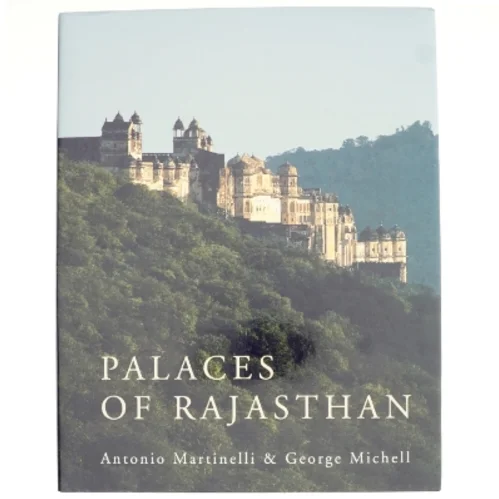
"As early as the fourteenth century, stories glorifying the exotic palaces of Indian rulers began to circulate in the West, stories which closer acquaintance only confirmed. Even today, they are magical places - small towns rather than single buildings, in which the Hindu and Muslim rulers of the subcontinent dispensed their laws and enjoyed their wealth." "The beauty and atmosphere of these palaces is displayed here in Antonio Martinelli's exceptional color photographs, composed with the eye of a painter and a trained architect who enjoyed unrivaled access to the buildings. George Michell, a recognized authority on Indian architecture and art, tells the story of the palaces. He evokes life within these complexes and describes their many elements: defenses, spacious audience halls and courtyards, temples and mosques, private apartments and service quarters." "At the heart of the book are

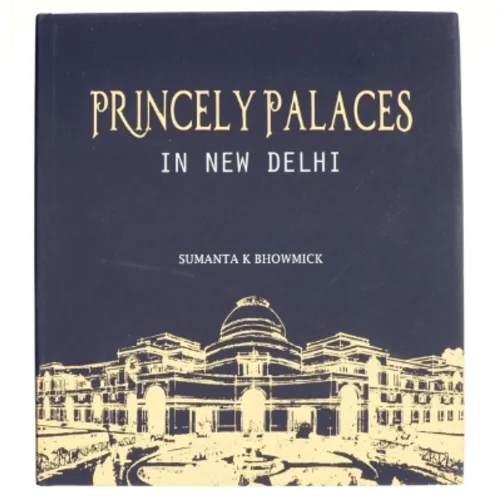
Rajas and maharajas from all over the British Indian Empire congregated in Delhi to attend the great Delhi Durbar of 1911. A new capital city was born New Delhi. Soon after, the princely states came up with elaborate palaces in the new Imperial capital Hyderabad House, Baroda House, Jaipur House, Bikaner House, Patiala House, to name a few. Why did the British government allot prime land to the princely states and how? How did the construction come up and under whose architectural design? Who occupied these palaces and what were the events held? What happened to these palatial buildings after the integration of the states with the Indian Republic? This book delineates the story behind the story, documenting history through archival research, interviews with royalty and unpublished photographs from royal private collections. Contents: Foreword; The Journey; Living with History; Hyderabad

Mighty Maharajas af Amita Baig (Bog)

36,40 kr.

Forts & Palaces of India The Indian subcontinent offers a fascinating collection of historic forts and royal palaces waiting to be explored. Over the centuries, as kingdoms rose and fell or expanded into mighty empires, the need for protection against invaders resulted in the building of magnificent forts and fortified citadels across the country. Many of these fortresses sheltered entire cities, as well as royal palaces and pleasure gardens that were known for their splendor and luxury. "Mighty Maharajas: Forts and Palaces of India" brings together a unique architectural legacy from ancient forts mentioned in Hindu epics to strongholds built by succession of rulers, arranged geographically within a historic or aesthetic context. The narrative provides glimpses of history enlivened by stirring tales of valor and sacrifice while lavish color photographs reflect the cultural heritage of ea

The splendour of Rajasthan's richly appointed palaces, majestic forts andraditional mansions is revealed in this lavishly illustrated book. Georgeichell explores the fascinating royal architecture of this desert state ofndia from the 15th to the 20th century, focusing on the major capitals ofajput power - Jaipur, Udaipur, Jodhpur and Bikaner - as well as otherentres such as Bundi, Kota, Jaisalmer, Alwar and Shekhawati. Also featuredre the Jat states of Bharatpur and Dholpur. Antonio Martinelli's stunninghotographs survey architectural developments in Rajasthan over a period ofore than five hundred years, providing a detailed visual record ofagnificent facades and opulent interiors. His photographs evoke the grandeurf Rajput courtly life at its height, be it imposing darbar halls whereaharajas held formal audience, or mirrored apartments where they enjoyedore private entertainments. Thoug

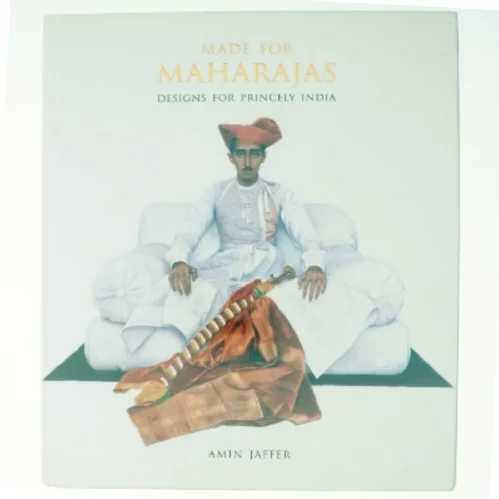
Made for Maharajas af Amin Jaffer (Bog)

45,20 kr.

Designs for Princely India Made for Maharajas: Designs for Princely India explores the fascination among Indian royals for western luxury goods. This taste reached its peak at the height of the British Raj (18571947), when Indian rulers disarmed and politically marginalized occupied themselves increasingly with vast building projects and conspicuous consumption. This book explores the role of maharajas in this age of high spending and fashion. Based equally in the archives of firms such as Louis Vuitton, Boucheron, Chaumet and Hermes, and in palace and private collections, "Made for Maharajas" brings together original designs with surviving objects, exploring for the first time the creative dialogue between Indian princes and the skilled tradesmen who produced wonders for their delectation. Mutual influence in taste forms a central theme of the volume. While maharajas nurtured a fascinat